
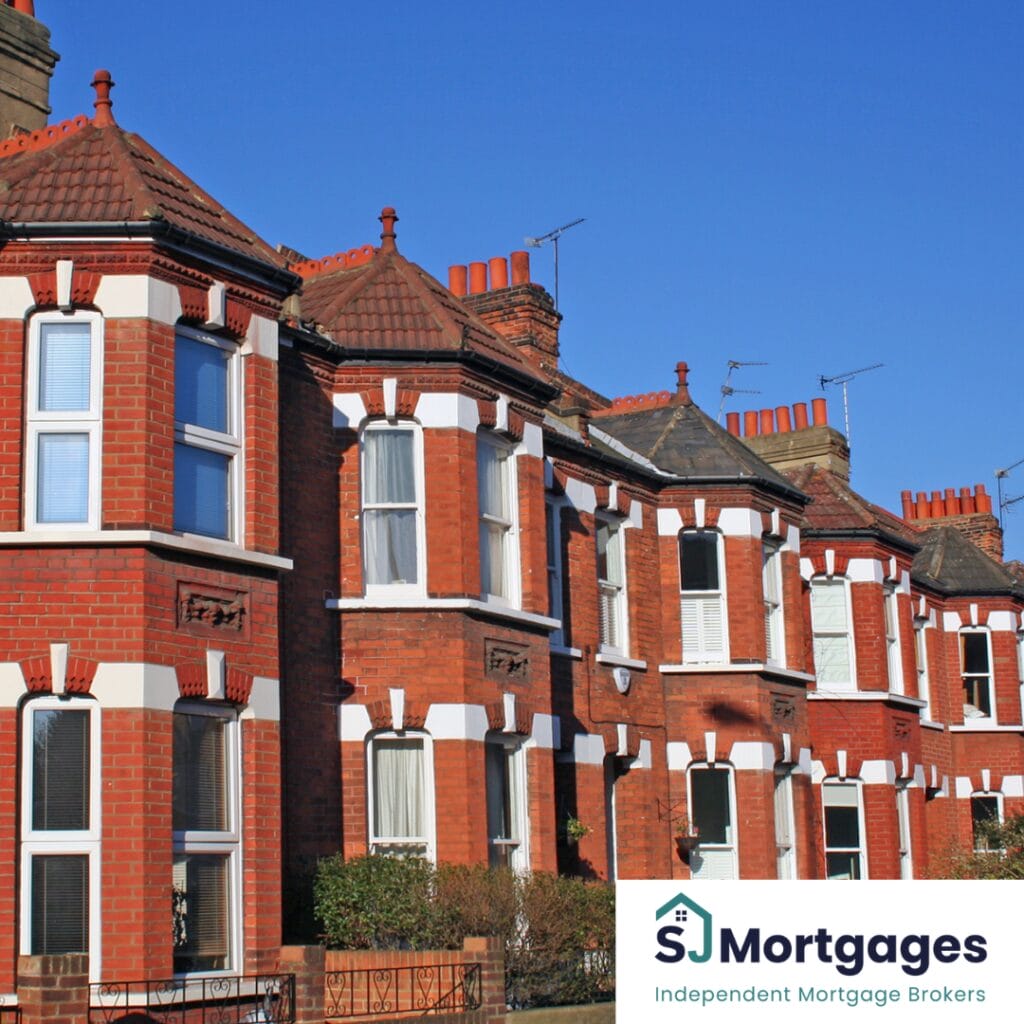
UK House Prices Fall by the Largest Amount Since 2023
According to the latest figures released by Lloyds Banking Group this morning, the average UK house price fell by 1.2% in October 2026 compared with the same period last year. This brings the average property price across the UK to £289,285.
The largest annual decline has been recorded in Greater London, where house prices have fallen by 3.1%. The South East and South West have also experienced notable decreases, with prices down by 2.4% in both regions.
However, the picture is not the same across the whole of the UK. Northern Ireland and Scotland have continued to see positive growth, with average house prices increasing by 4.4% and 2.8% respectively.
Our Director’s View: Jack’s House Price Commentary
“I don’t think the latest figures released by Lloyds will come as much of a surprise to the housing market.
We’re continuing to hear from estate agents that there is a significant amount of available property on the market. This gives buyers more choice and, ultimately, greater scope to negotiate on price when making an offer.
The market is also continuing to face several challenges. Mortgage rates remain considerably higher than many buyers have become accustomed to, while the ongoing cost-of-living pressures are affecting household finances. On top of this, there is continued uncertainty surrounding the conflict in the Middle East and how long this situation may continue.
That being said, a 1.2% reduction in average house prices should not be viewed as a reason to panic or interpreted as a sign of a housing market crash.
House prices experienced significant growth during the COVID years, partly driven by the Government’s Stamp Duty incentives and the exceptionally low mortgage rates available at the time. The modest decline we’re now seeing is more reflective of the market adjusting and returning to more sustainable levels, rather than a significant downturn.”
What Happens Next?
With several factors continuing to influence the housing market, the direction of house prices over the medium to longer term will depend heavily on how the wider economic situation develops.
In particular, the ongoing conflict in the Middle East could have an impact on inflation, which in turn may influence the Bank of England’s decisions on interest rates and ultimately mortgage affordability.
A reduction in mortgage rates would likely help restore confidence among buyers and sellers, potentially encouraging more activity across the housing market. How this confidence develops will play an important role in determining how house prices perform as we move into 2027.
While there are still challenges ahead, the latest figures should be viewed in context. The housing market is adjusting to a different economic environment, and a period of price correction does not necessarily mean a market crash.